

In a world where creativity meets technology, 3D printing with Blender is like having a magic wand for makers and DIY enthusiasts. Imagine transforming your wildest ideas into tangible objects—all without needing a degree in rocket science. Blender, that beloved open-source software, is not just for animators anymore; it’s a playground for anyone looking to bring their designs to life.
Why settle for store-bought when you can whip up your own custom creations? Whether it’s quirky figurines or practical gadgets, Blender’s got the tools to make it happen. And let’s be honest, who wouldn’t want to impress their friends with a 3D-printed masterpiece? So grab your virtual chisel and let’s dive into the delightful world of 3D printing with Blender—where the only limit is your imagination (and maybe your printer’s build size).
Overview of 3D Printing with Blender
Blender serves as a powerful tool for 3D printing. Users can model complex designs, allowing for creativity to flourish. Importantly, it supports various file formats, making the transition from digital to physical seamless. Designers utilize Blender to create unique objects, ranging from art pieces to functional prototypes.
Setting up Blender for 3D printing requires specific steps. First, ensure compatibility by using the correct units of measurement. Second, it’s essential to have a watertight mesh, meaning there are no holes or gaps in the design. Third, applying proper scaling is critical to achieve accurate print sizes.
Material selection plays a significant role in 3D printing outcomes. Familiar materials include PLA, ABS, and PETG. Each material offers distinct properties, influencing durability and finish. Choosing the right material depends on the intended use of the printed object.
Blender’s community offers extensive resources to enhance the printing experience. Tutorials and forums provide guidance on modeling techniques and troubleshooting. Engaging with the community fosters skill improvement and knowledge expansion.
Blender’s integration with 3D printing opens doors to limitless creativity. Understanding setup processes, selecting suitable materials, and leveraging community resources empowers users to maximize their printing endeavors. The fusion of technology and creativity truly embodies the essence of 3D printing with Blender.
Getting Started with Blender
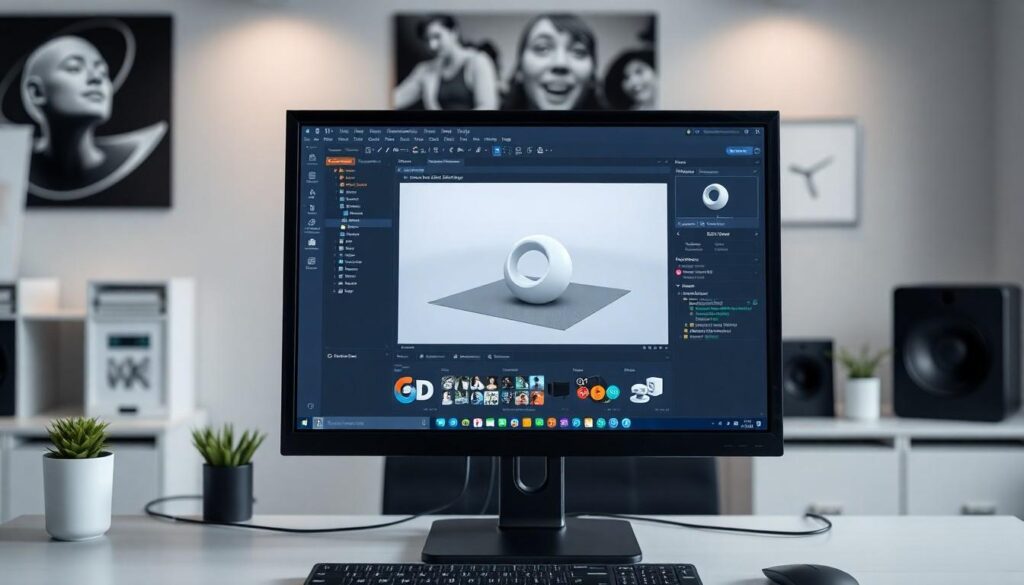
Blender offers a comprehensive platform for engaging in 3D printing. Whether a novice or an experienced user, understanding how to set up and utilize the software enhances the 3D printing experience.
Setting Up Blender for 3D Printing
Ensure the correct units are set before beginning any project. Users typically set measurements to millimeters for accuracy. Creating a watertight mesh is vital, as it prevents issues during the printing process. All models must not have any holes or non-manifold edges. Proper scaling guarantees the printed object matches the intended size. Once the model is complete, export it in an STL or OBJ format for compatibility with most slicing software.
Important Tools and Features
Blender includes several tools that streamline the 3D printing workflow. The 3D Print Toolbox add-on identifies potential mesh issues and provides corrections. Utilizing modifiers like the Mirror or Subdivision Surface contributes to efficient modeling. The grease pencil facilitates sketching ideas directly within the workspace. Additionally, the Render tab aids in visualizing how the model will appear once printed. Exploring these tools significantly improves the design process and fosters creativity.
Preparing Your Model for Printing
Preparing a model for 3D printing involves several critical steps to ensure successful output.
Designing for Printability
Design aspects significantly impact printability. Models should feature ample wall thickness, generally a minimum of 1-2 millimeters, to enhance structural integrity. Avoid intricate details that printers might struggle to reproduce accurately. Supports can facilitate overhangs, so including them improves print success. Balanced dimensions prevent issues with scaling, making designs more manageable. Curved surfaces often require careful consideration; smoothing strategies can refine these areas. Keep in mind the limitations of your chosen printer to optimize the design for better results.
Checking Your Model for Errors
Identifying errors in the model crucially affects printing outcomes. Utilize Blender’s 3D Print Toolbox to automatically detect issues within the mesh. Ensure the model is manifold; non-manifold geometry leads to printing errors. Inspect for open edges and overlapping faces which compromise integrity. Scaling errors from incorrect units may distort the model, so verification is necessary. Conduct a thorough visual inspection alongside automated checks for peace of mind before exporting. Properly preparing the model first eliminates complications later in the printing process.
Exporting Your Model
Exporting models in Blender for 3D printing requires attention to file formats and best practices. Specific formats enable compatibility, ensuring a smooth transition to physical printing.
File Formats for 3D Printing
Common file formats for 3D printing include STL, OBJ, and AMF. STL stands out as the industry standard, widely accepted by most 3D printers. OBJ supports color and texture, providing an option for more complex designs. AMF, though less common, offers advantages like support for multiple materials and colors. Always choose a format that aligns with printer specifications, as this guarantees successful printing outcomes.
Best Practices for Exporting
Follow several best practices when exporting models from Blender. First, check the scale to ensure accuracy in dimensions. File exporting should use the selected units; match them with printer settings. Next, confirm that the mesh is watertight to prevent printing errors. Eliminating unnecessary details enhances file readability. Lastly, simplify the model for smoother processing during print preparation, keeping in mind the printer’s capabilities. Adhering to these practices maximizes the chance of a successful 3D print.
3D printing with Blender opens up a world of creativity for makers and DIY enthusiasts. By combining design skills with technology, anyone can bring their unique ideas to life. The journey from digital model to tangible object is not only rewarding but also a fantastic way to impress friends and family.
With the right tools and knowledge, users can navigate Blender’s features to create stunning prints. The community support and resources available further enhance the experience, making it easier to troubleshoot and improve skills. Embracing the art of 3D printing invites endless possibilities for innovation and personal expression.

